
Beginning with HVAC Liability Insurance: What’s Covered and What’s Not, the narrative unfolds in a compelling and distinctive manner, drawing readers into a story that promises to be both engaging and uniquely memorable.
HVAC liability insurance is a crucial aspect of the HVAC industry, providing protection and peace of mind for contractors and businesses. Let’s delve into the specifics of what this insurance covers and what it doesn’t, shedding light on its significance and implications.
Overview of HVAC Liability Insurance
HVAC liability insurance is a type of insurance coverage specifically designed to protect HVAC contractors and technicians from financial losses resulting from claims of property damage or bodily injury caused by their work. It is a crucial component of risk management in the HVAC industry, providing coverage for legal fees, medical expenses, and potential settlements in the event of a lawsuit.
Importance of HVAC Liability Insurance
- Protects HVAC professionals from costly lawsuits: HVAC liability insurance helps cover legal expenses and potential settlements in case a customer or third party files a claim against the HVAC contractor for property damage or bodily injury.
- Ensures financial security: Without liability insurance, HVAC contractors could face significant out-of-pocket expenses that could jeopardize their business and personal finances.
- Enhances credibility and trust: Having HVAC liability insurance demonstrates professionalism and a commitment to protecting clients and their property, which can help build trust with customers and attract more business.
Examples of Situations Where HVAC Liability Insurance May Come into Play
- If an HVAC technician accidentally damages a customer’s property while installing or repairing HVAC equipment, resulting in a claim for property damage.
- In case a customer or third party suffers bodily injury due to a mistake or negligence on the part of an HVAC contractor, leading to a lawsuit for medical expenses and damages.
- If a fire or other accident is caused by faulty HVAC work, resulting in property damage or bodily injury, and triggering a claim against the HVAC professional.
Coverage Types
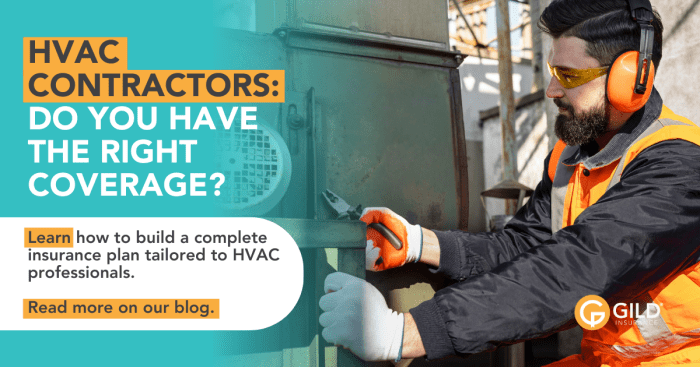
When it comes to HVAC liability insurance, there are several types of coverage that are essential for protecting HVAC businesses from potential risks and liabilities. Each type of coverage serves a specific purpose in safeguarding the business and its assets.
General Liability Insurance
General liability insurance is a fundamental coverage that protects HVAC businesses against claims of bodily injury, property damage, and advertising injury. This type of coverage is crucial for covering legal fees, settlements, and medical expenses in case a customer or third party suffers an injury or property damage due to the HVAC services provided.
Professional Liability Insurance
Professional liability insurance, also known as errors and omissions insurance, covers HVAC businesses in case of negligence, errors, or omissions in the services provided. This coverage is essential for protecting the business from claims of faulty workmanship, design errors, or failure to perform services as promised.
Commercial Auto Insurance
Commercial auto insurance is necessary for HVAC businesses that use vehicles for business purposes. This coverage protects against accidents, damage to company vehicles, and liability for injuries or property damage caused by company vehicles. It also covers medical expenses and legal fees in case of accidents involving company vehicles.
Workers’ Compensation Insurance
Workers’ compensation insurance is vital for HVAC businesses with employees. This coverage provides benefits to employees who are injured or become ill while performing their job duties. Workers’ compensation insurance helps cover medical expenses, lost wages, and disability benefits for employees who are injured on the job.
Property Insurance
Property insurance protects the physical assets of HVAC businesses, including buildings, equipment, tools, and inventory, from risks such as fire, theft, vandalism, and natural disasters. This coverage helps HVAC businesses recover and rebuild in case of property damage or loss.
Exclusions in Coverage
When it comes to HVAC liability insurance, there are certain exclusions that are commonly found in policies. These exclusions can have a significant impact on HVAC businesses, so it’s important to understand what they are and why they exist.
Common Exclusions
- Damage caused by intentional acts: HVAC liability insurance typically does not cover damage that is caused intentionally by the insured party.
- Professional errors or negligence: Errors or mistakes made by HVAC professionals that result in property damage or financial loss may not be covered.
- Pollution and mold: Damage caused by pollution or mold may be excluded from coverage under HVAC liability insurance.
- Product liability: If an HVAC business manufactures or sells products that cause harm or damage, this may not be covered.
Impact on HVAC Businesses
These exclusions exist to protect insurance companies from having to pay out claims for situations that are considered too risky or outside the scope of the policy. For HVAC businesses, these exclusions mean that they may be held financially responsible for certain types of damage or liability that are not covered by their insurance policy.
This can lead to significant financial losses and potential legal issues for the business.
Importance of HVAC Liability Insurance
Having HVAC liability insurance is crucial for contractors and businesses in the HVAC industry to protect themselves from potential financial losses due to unforeseen circumstances.
Significance of HVAC Liability Insurance
- Provides financial protection: HVAC liability insurance helps cover the costs of property damage or bodily injury that may occur during HVAC projects, preventing contractors from having to pay out of pocket.
- Enhances credibility: Businesses with HVAC liability insurance demonstrate to clients that they are responsible and trustworthy, which can attract more customers and lead to increased business opportunities.
Real-Life Examples of HVAC Liability Insurance
One HVAC contractor had HVAC liability insurance when a fire broke out at a client’s property due to faulty wiring during an installation. The insurance covered the damages, saving the contractor from significant financial loss.
Another HVAC business faced a lawsuit from a customer who slipped on a wet floor during a repair job. The HVAC liability insurance helped cover the medical expenses and legal fees, protecting the business from a potentially costly lawsuit.
Factors Influencing Coverage
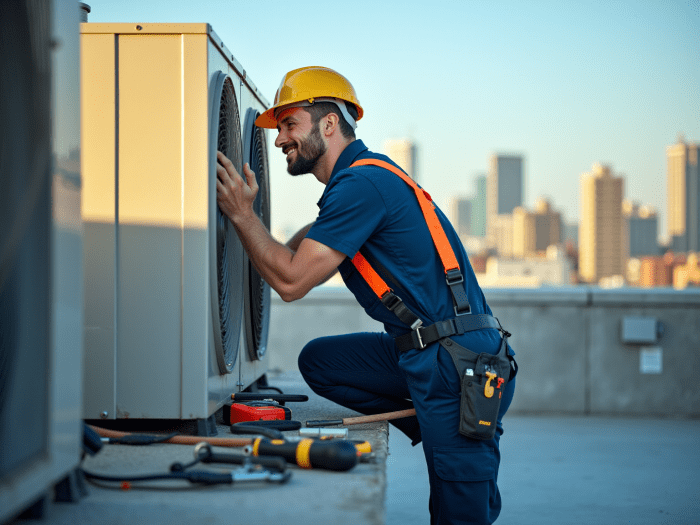
When it comes to HVAC liability insurance, there are several factors that can impact the coverage options available to businesses in the industry. These factors play a crucial role in determining the extent of protection a company can receive.
Business Size
The size of a business can greatly influence the coverage options available for HVAC liability insurance. Larger companies may require higher coverage limits due to the scale of their operations and potential risks involved. On the other hand, smaller businesses may opt for more basic coverage that suits their needs and budget.
Location
The location of a business can also play a significant role in determining coverage options for HVAC liability insurance. Companies operating in areas prone to natural disasters or extreme weather conditions may need additional coverage to protect against potential damages.
Urban areas with higher population density may also require specific coverage due to increased liability risks.
Services Offered
The types of services offered by an HVAC business can impact coverage decisions as well. Companies that provide specialized services such as refrigeration or ductwork may need tailored coverage to address the unique risks associated with these services. Offering additional services like maintenance contracts or emergency repairs may also require additional coverage to protect against unforeseen incidents.
Closing Notes
In conclusion, HVAC Liability Insurance: What’s Covered and What’s Not is a vital component for any HVAC contractor or business. Understanding the coverage types, exclusions, and factors influencing coverage can make a significant difference in safeguarding your operations. Stay informed, stay protected.
Essential FAQs
What does HVAC liability insurance typically cover?
HVAC liability insurance usually covers property damage, bodily injury, and legal fees resulting from work-related accidents or negligence.
Are there any common exclusions in HVAC liability insurance policies?
Some common exclusions include pollution liability, intentional acts, and professional liability. It’s essential to review your policy to understand these exclusions.
How does business size influence coverage options for HVAC liability insurance?
Business size can impact coverage options by affecting the level of risk exposure. Larger businesses may require more extensive coverage compared to smaller operations.

